Affordable Packaging Design Costs: Custom Packaging Design Insights
- mmpackaging009
- Mar 23
- 4 min read

Packaging design plays a crucial role in product presentation, protection, and brand identity. Achieving a balance between quality and cost is essential for businesses aiming to enhance their market presence without overspending. This article explores affordable packaging design costs, offering practical insights and strategies to optimize packaging investments.
Understanding Affordable Packaging Design Costs
Affordable packaging design costs depend on multiple factors. Material choice, design complexity, production volume, and printing techniques influence the final expense. Selecting cost-effective materials such as kraft paper, corrugated cardboard, or recycled options can reduce expenses without compromising durability.
Design simplicity also impacts costs. Minimalist designs with fewer colors and straightforward shapes require less production effort. Bulk ordering lowers unit costs by spreading setup fees over larger quantities. Digital printing offers flexibility for small runs, while offset printing suits larger volumes with lower per-unit costs.
Key cost drivers include:
Material type and quality
Printing method and color count
Packaging size and structure
Order quantity and lead time
Balancing these elements ensures affordable packaging design costs while maintaining product protection and visual appeal.

Strategies to Reduce Packaging Design Expenses
Cost reduction requires strategic planning and informed choices. Prioritizing essential design elements avoids unnecessary complexity. Using standard box sizes instead of custom shapes reduces tooling and die-cutting fees. Collaborating with experienced designers familiar with cost constraints can yield efficient, attractive solutions.
Material sourcing impacts affordability. Local suppliers reduce shipping costs and lead times. Recycled or biodegradable materials align with sustainability goals and may qualify for tax incentives or grants. Combining materials, such as a sturdy base with a lightweight lid, can optimize cost and functionality.
Printing techniques influence price. Limiting color palettes to two or three colors reduces ink costs. Spot UV or embossing effects add premium appeal without extensive color use. Digital mockups and prototypes prevent costly revisions during production.
Actionable recommendations:
Choose standard packaging dimensions when possible
Limit color usage in printing
Source materials locally or from sustainable suppliers
Use digital prototypes to finalize designs
Order in bulk to reduce per-unit costs
These strategies contribute to affordable packaging design costs while preserving quality and brand impact.
Material Selection and Its Impact on Cost
Material choice directly affects packaging durability, aesthetics, and price. Common affordable materials include:
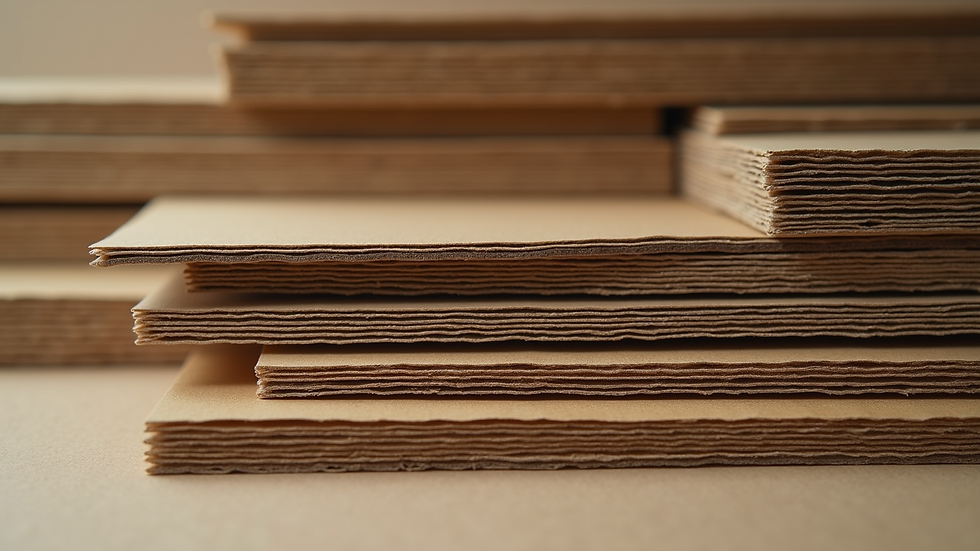
Corrugated cardboard: Strong, lightweight, recyclable. Suitable for shipping boxes and protective packaging.
Kraft paper: Natural appearance, eco-friendly, cost-effective for bags and wraps.
Rigid paperboard: Offers premium feel, used for luxury product boxes but at higher cost.
Plastic alternatives: Biodegradable plastics or thin films for moisture resistance, though often pricier.
Material thickness and finish also influence cost. Thicker materials provide better protection but increase weight and shipping expenses. Matte or glossy finishes add visual appeal but raise production costs.
Selecting the right material depends on product fragility, brand positioning, and budget constraints. Combining materials can optimize cost and performance, such as using corrugated cardboard for outer packaging and kraft paper inserts for cushioning.

Design Elements That Affect Pricing
Packaging design elements contribute significantly to overall costs. Complex structures with multiple folds, inserts, or compartments require specialized tooling and longer production times. Simple box designs with minimal folds reduce setup fees.
Printing complexity impacts pricing. Full-color, photographic prints cost more than single-color logos or patterns. Special finishes like foil stamping, embossing, or spot UV add premium touches but increase expenses.
Typography and graphics should be clear and concise to avoid clutter. Using vector graphics ensures sharp printing and reduces file preparation time. Consistent branding elements across packaging maintain a professional look without additional design costs.
Design cost considerations:
Opt for simple, functional structures
Limit color palette and special finishes
Use vector-based graphics and fonts
Avoid excessive compartments or inserts
These choices help maintain affordable packaging design costs while delivering effective branding.
Optimizing Custom Packaging Design Price
Understanding the custom packaging design price is essential for budgeting. Prices vary based on design complexity, material selection, and order volume. Requesting detailed quotes from multiple suppliers enables comparison and negotiation.
Working closely with packaging manufacturers can uncover cost-saving opportunities. For example, adjusting dimensions to fit standard sheet sizes reduces waste. Consolidating orders for multiple products can leverage economies of scale.
Investing in reusable or modular packaging designs may increase upfront costs but reduce long-term expenses. Such designs allow for easy adaptation to different products or seasonal promotions without complete redesign.
Tips for price optimization:
Obtain multiple quotes and compare services
Collaborate with manufacturers on design adjustments
Consider modular or reusable packaging options
Plan orders to maximize volume discounts
These approaches ensure control over custom packaging design price while achieving desired quality.
Final Thoughts on Affordable Packaging Design
Affordable packaging design costs require a strategic approach balancing quality, aesthetics, and budget. Material selection, design simplicity, and production methods play pivotal roles. Leveraging local suppliers, bulk orders, and digital prototyping enhances cost efficiency.
Packaging serves as a silent salesperson, protecting products and reinforcing brand identity. Investing wisely in packaging design supports long-term business growth and customer satisfaction.
Continuous evaluation of packaging strategies and supplier relationships ensures ongoing affordability and innovation. Prioritizing durability and visual appeal within budget constraints aligns with business goals of premium, high-quality packaging solutions.
Effective packaging design is achievable without excessive expenditure. Careful planning, informed decisions, and collaboration with experienced partners unlock affordable options that elevate product presentation and market competitiveness.


Comments